
How to Wash FR Clothing: Laundry Day & Care Tips
Posted by FR Clothing & Supply Team on Oct 8th 2026
Your work clothes have already put in a full shift. Now they're headed for one more assignment: the laundry room.
Knowing how to wash FR clothing is part of taking care of your protective gear. The wrong laundry products, improper cleaning, or contamination can affect how your clothing performs when you need it most. Fortunately, a good care routine starts with something simple: reading the label.
Watch: How to Wash Your FR Clothing
Prefer to watch? Check out FR Clothing & Supply's video on washing your FR clothing, then keep reading for a practical care guide. Always follow the instructions for your specific garment.
Why Properly Washing FR Clothing Matters
FR stands for flame resistant. These garments are designed to resist ignition and limit continued burning after an ignition source is removed. Proper care helps preserve the protective performance the garment was designed and tested to provide.
Take a look at the warning printed directly on this Ariat FR shirt label:
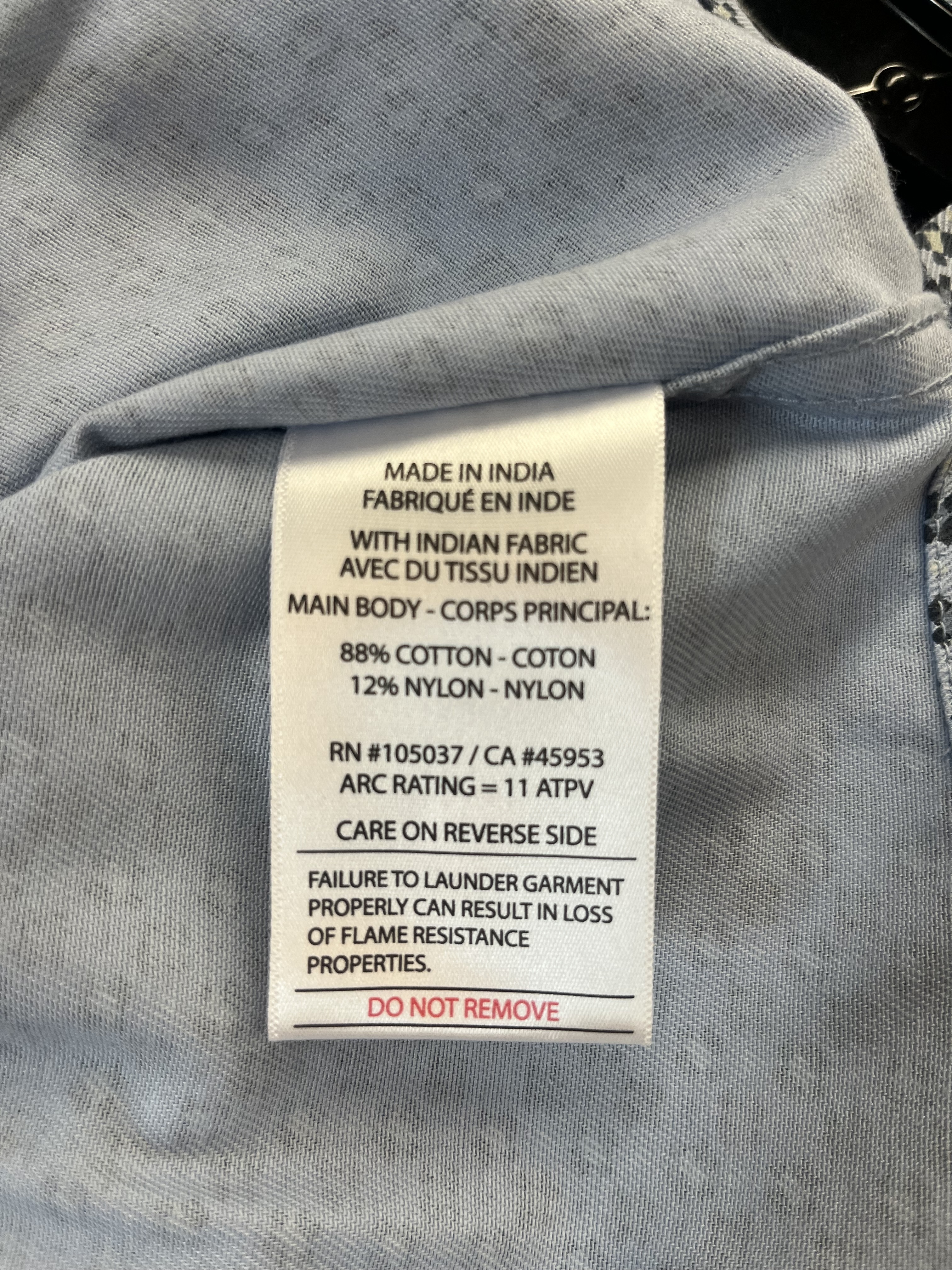
Important: FR clothing is protective equipment, not ordinary laundry.
Follow the manufacturer's care instructions. Do not assume a laundry product is suitable simply because it is safe for everyday clothing.
How to Read Your FR Clothing Care Label
Before washing FR clothing, find the sewn-in care label. It may specify washing temperature, drying temperature, prohibited additives, and whether professional cleaning is permitted.
For example, the Ariat FR jeans label below provides these instructions:
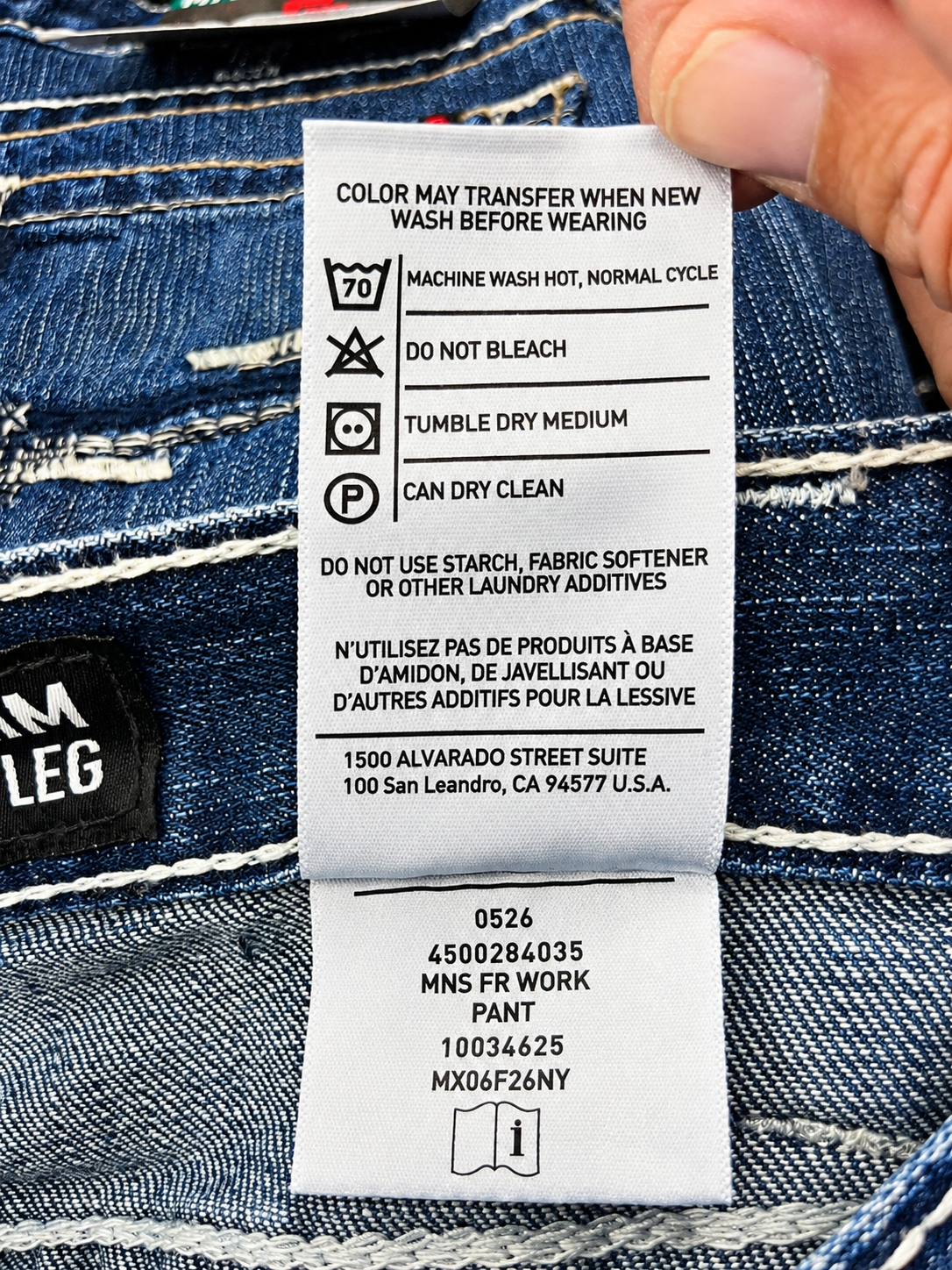
- Machine wash hot, normal cycle: Permitted for these particular jeans.
- Do not bleach: Bleach is prohibited by this label.
- Tumble dry medium: Follow the specified drying setting.
- Can dry clean: Dry cleaning is permitted for these jeans.
- No starch, fabric softener, or other laundry additives: These products are prohibited by this garment's instructions.
- Wash before wearing: The label warns that color may transfer when new.
These instructions are an example, not a universal washing formula. Carhartt's published care guide lists different maximum washing temperatures for certain FR garment groups and restricts products such as bleach, softeners, and starch. [1]
Helpful tip: Take a photo of each garment's care label when it is new. Save it in a Workwear Care folder so the instructions are easy to find on laundry day.
Why You Should Avoid Fabric Softeners and Dryer Sheets
Fabric softeners and dryer sheets might make everyday clothes feel softer or smell fresher, but they can be a problem for FR workwear.
These products may deposit chemical residues on the fabric. Depending on the product and garment, some residues can be combustible and may interfere with the garment's intended protective performance.
Think about what happens during a wash or dry cycle: a product designed to leave a coating or fragrance behind can also leave substances on protective clothing that were not part of its original testing.
Skip the fabric softener and dryer sheets.
When your FR garment prohibits these products, do not add liquid fabric softener to the wash or dryer sheets to the dryer. A fresh scent or softer feel is not worth introducing an unapproved residue onto protective workwear.
Bulwark's FR clothing guide also prohibits fabric softeners and starch for the garments covered by its instructions. [2]
Can You Use Bleach, Starch, or Laundry Additives?
Not every laundry product belongs in a load of FR clothing. Always check the ingredients and manufacturer's restrictions before using a detergent, stain remover, or additive.
Common restrictions in FR garment care guides include:
- Chlorine bleach: Often prohibited because it can damage certain FR materials or finishes.
- Hydrogen peroxide bleach: Restricted by some manufacturers, including in certain FR garment care guides.
- Fabric softeners: May leave unwanted residues on protective clothing.
- Starch: Can introduce combustible material to the garment.
- Unapproved stain treatments: May contain ingredients unsuitable for a particular FR fabric.
When in doubt, use a detergent that meets the garment manufacturer's instructions and skip unnecessary additives. If you are unsure about a specific product, contact the garment manufacturer before using it.
Can FR Clothing Go in the Dryer or Be Dry-Cleaned?
Drying: Many FR garments can be tumble-dried, but temperature restrictions vary. The Ariat FR jeans pictured above specify tumble drying on medium heat. Other garments may require different settings.
Avoid choosing extra heat simply to finish faster. Excessive heat can cause shrinkage or damage, depending on the fabric and garment construction.
Dry cleaning: Some FR garments can be professionally dry-cleaned. The Ariat jeans label shown here explicitly permits it. However, other garments may have different restrictions, so always check the care label and confirm that the cleaner can follow the manufacturer's requirements.
Can You Wash the Flame Resistance Out of FR Clothing?
It depends on the garment's materials, protective technology, and care history.
Some FR fabrics use fibers with inherent flame-resistant properties. Others use treatments that provide flame resistance. Both types require proper care, and you should never assume that improper laundering is harmless simply because a garment is described as inherently FR.
For arc-rated clothing, the garment label may also identify its tested arc rating. This Ariat FR jeans label, for example, shows an arc rating of 19 ATPV.
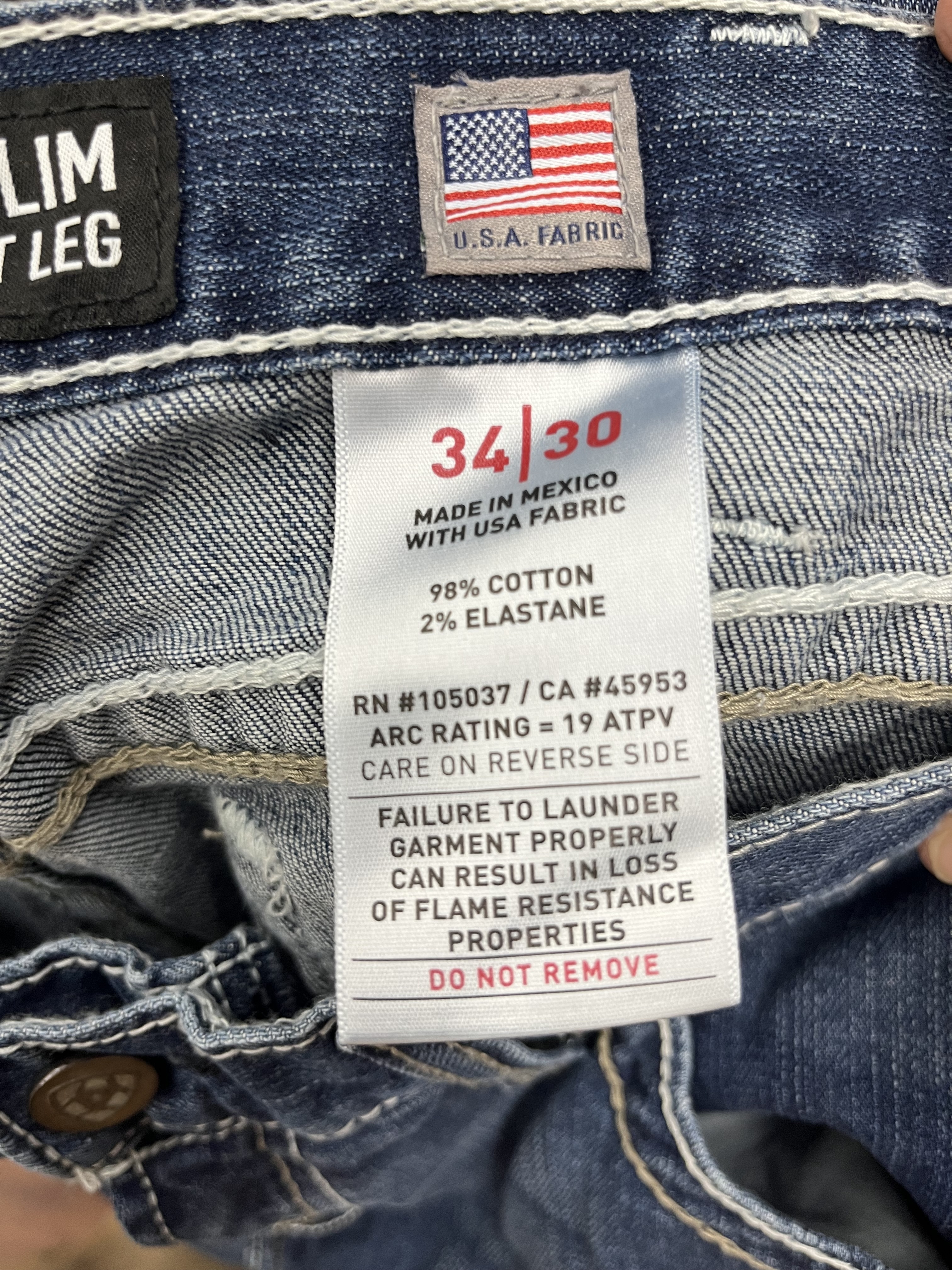
The arc rating identifies tested protective performance; it is not a guarantee that the garment will remain suitable after damage, contamination, or improper care. For more information, read our What Do Calories Mean on FR Clothing? Arc Ratings & ATPV Explained.
Pay Attention to Contamination
Keeping FR clothing clean is part of maintaining its protective performance. Petroleum-based soils and other combustible contaminants can provide additional fuel during an exposure.
Bulwark warns that petroleum-based contamination can interfere with flame resistance. Heavily contaminated garments may need specialized cleaning or replacement. [2]
If your clothing becomes contaminated with oil, grease, fuel, or another hazardous substance, remove it from service until it has been properly evaluated and cleaned. If the contamination cannot be adequately removed, the garment may need to be replaced.
Your FR Clothing Laundry Checklist
Before starting your next load, run through these steps:
- Read the care label on each FR garment.
- Check that your detergent meets the manufacturer's requirements.
- Avoid prohibited fabric softeners, dryer sheets, bleach, starch, and additives.
- Use the recommended washing temperature and cycle.
- Follow the specified drying instructions.
- Inspect garments for damage or remaining contamination after cleaning.
- Remove questionable garments from service until their suitability is confirmed.
If someone else does your laundry, make sure they know that your FR workwear may have different requirements than everyday clothing.
Frequently Asked Questions About Washing FR Clothing
Can I use dryer sheets with FR clothing?
Avoid dryer sheets when the garment manufacturer prohibits fabric softening products. Dryer sheets may leave residues that are not suitable for protective clothing.
What detergent should I use for FR clothing?
Choose a detergent that complies with the garment's care instructions. Check for prohibited ingredients, including bleach or other additives restricted by the manufacturer.
Can FR clothing be washed in hot water?
Some FR garments permit hot-water washing, including the Ariat jeans shown in this article. Others have lower temperature limits. Follow the instructions on your specific garment.
Can FR clothing be dry-cleaned?
Some FR garments permit dry cleaning, but not all do. Check the garment's label and the manufacturer's instructions before choosing professional cleaning.
When should FR clothing be replaced?
FR clothing should be evaluated for replacement when it has damage, persistent contamination, or other conditions that could compromise protection. Follow the manufacturer's instructions and your employer's PPE inspection and replacement procedures.
Quick Takeaway
Read the label. Skip prohibited fabric softeners, dryer sheets, and other additives. Use the correct wash and drying settings, and never ignore contamination or damage. Taking care of your FR clothing is part of taking care of your protection.
Keep Learning About FR Clothing
New to flame-resistant workwear? Start with our What Is FR Clothing? A Beginner's Guide to Flame-Resistant Workwear to understand what FR means and how protective garments work.
Need help finding care instructions for a garment we carry? Visit FR Clothing & Supply at 340 Justin Ave, Suite 104, Platteville, CO 80651, or shop FR clothing and workwear online. Out team can help you locate the manufacturer's care instructions for the garments we carry.
Important Safety Information
This article is provided by FR Clothing & Supply for general educational purposes only and is not a substitute for manufacturer instructions, workplace safety procedures, or professional safety guidance. Always verify product specifications, protective ratings, care instructions, and applicable safety standards with the original manufacturer and your employer's safety department. Your employer is responsible for determining appropriate personal protective equipment based on workplace hazards. FR Clothing & Supply does not independently certify that any garment is suitable for a particular workplace hazard.